


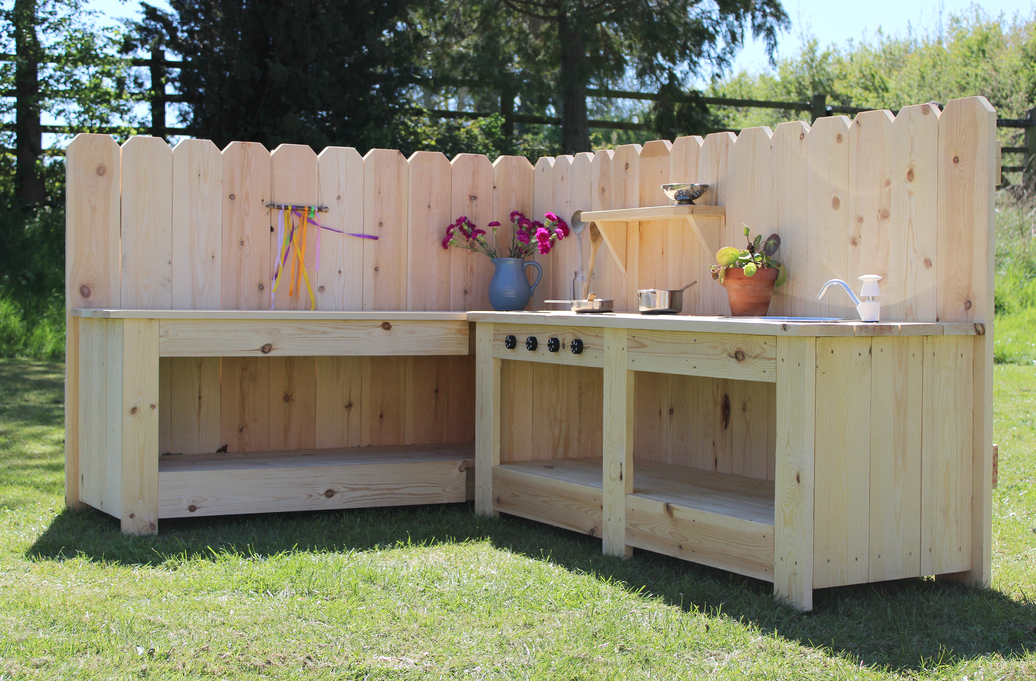
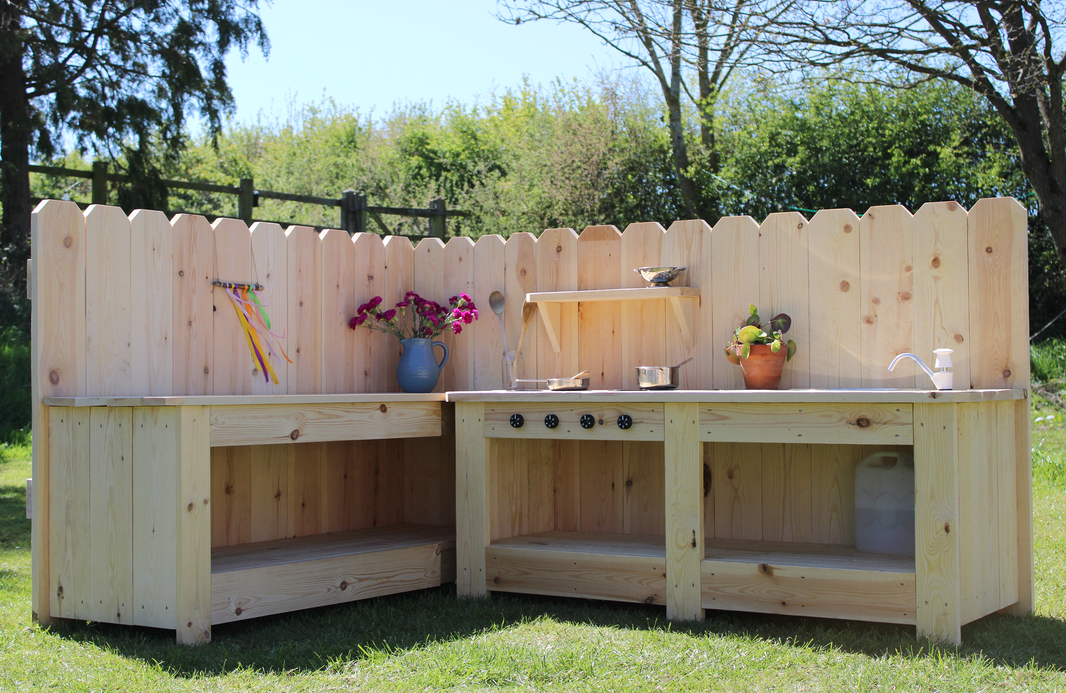
Gallery
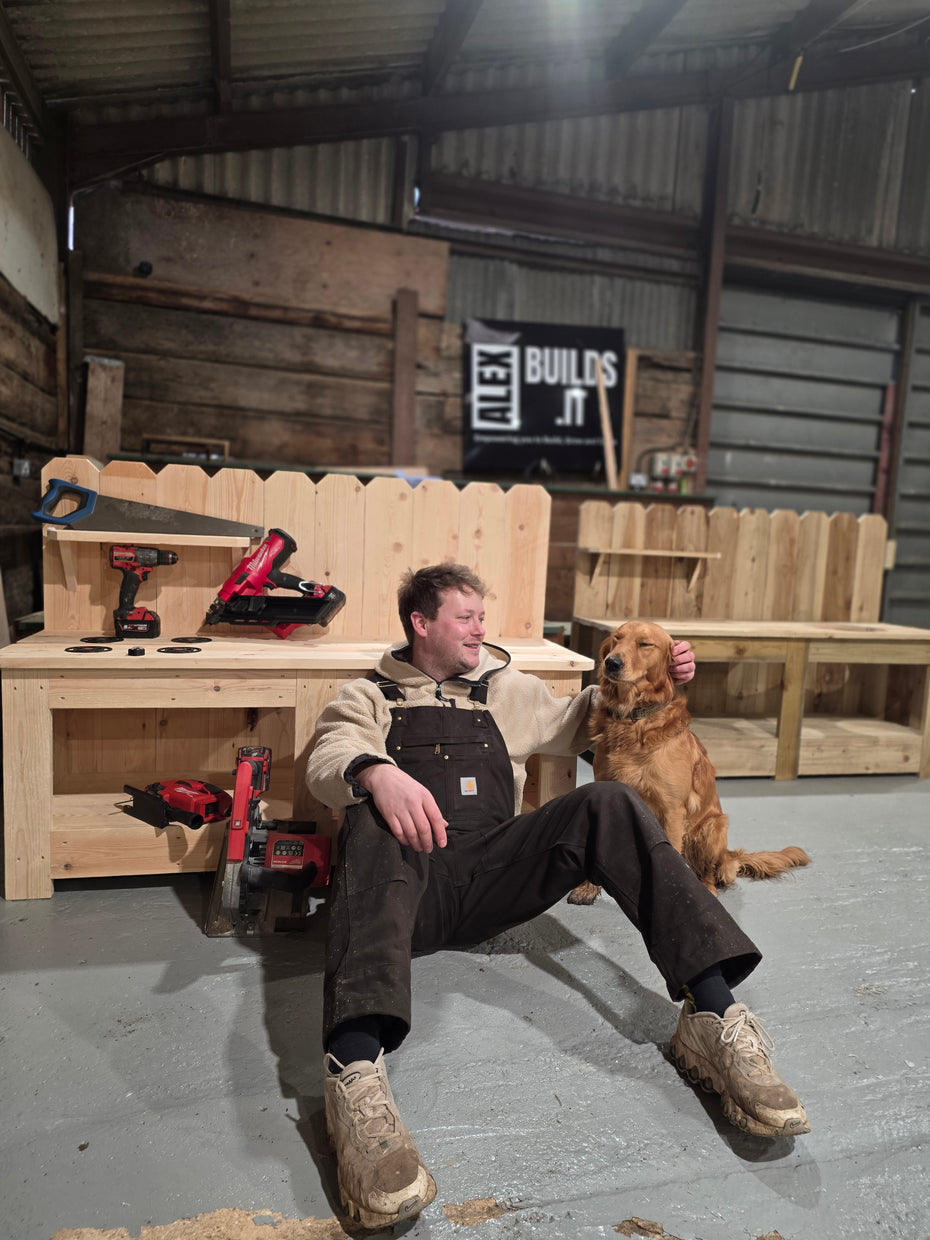
Pickle is my best friend and mud kitchen connoisseur. While she doesn't prove necessarily to be the most helpful around the workshop, she rarely leaves my side and always gives me a nudge when I need it.
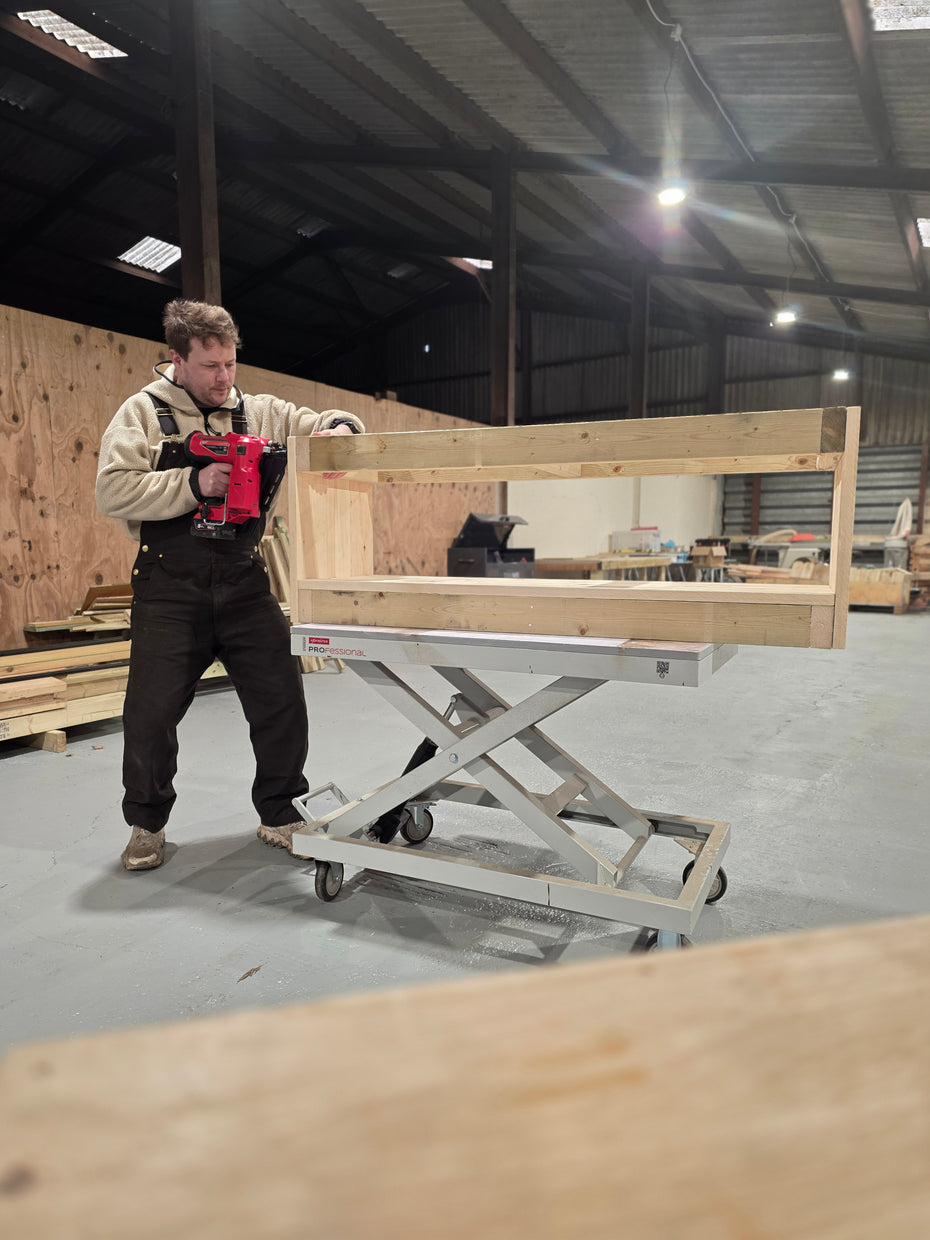
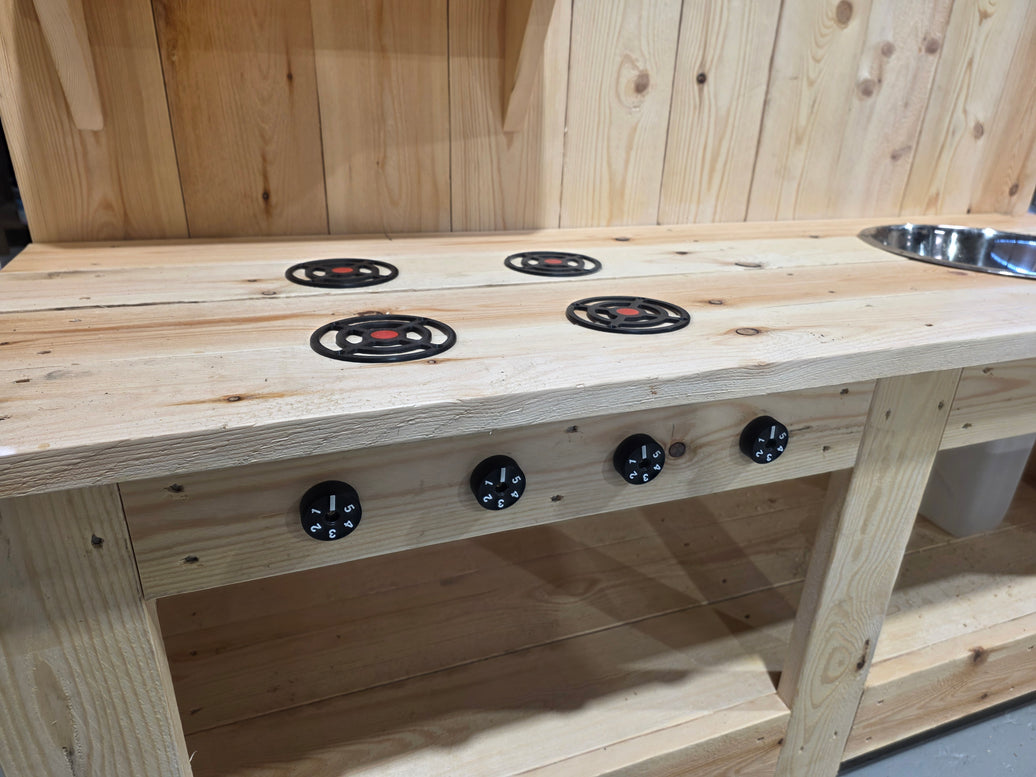
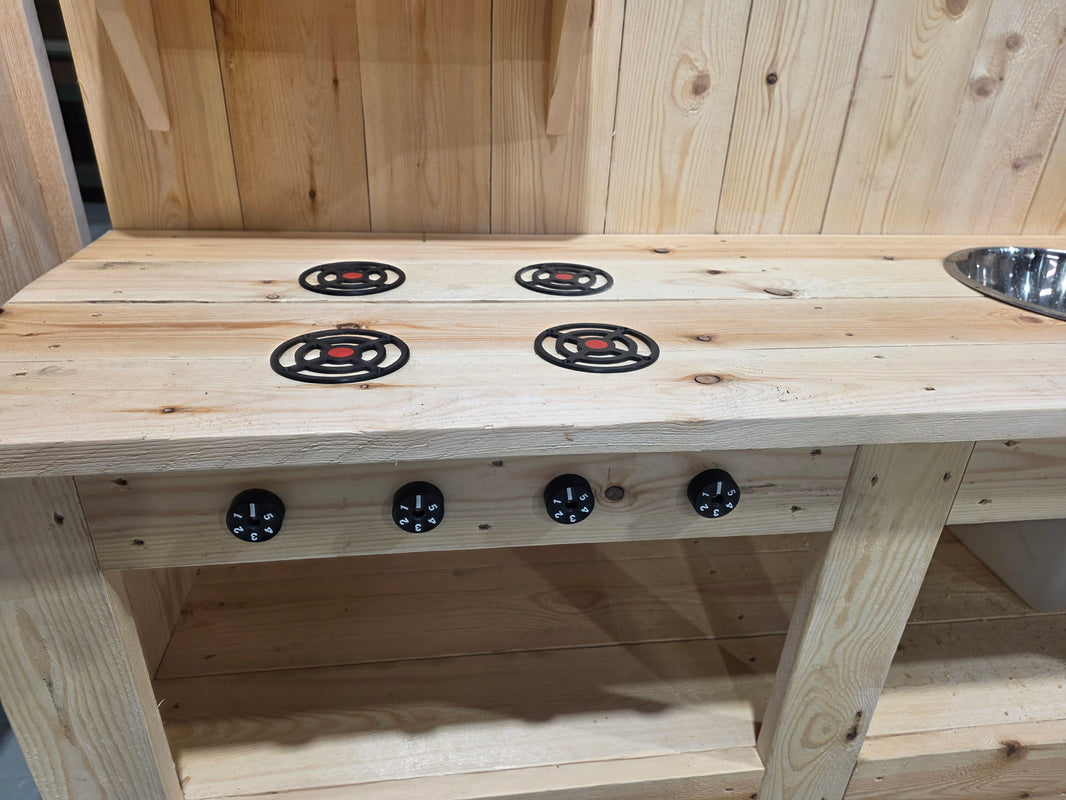
Once we've signed and cut all of the wood down to size the next thing to do is start putting together the structure of the mud kitchen. This uses a top and bottom frame which are then attached to each other using the side panels.
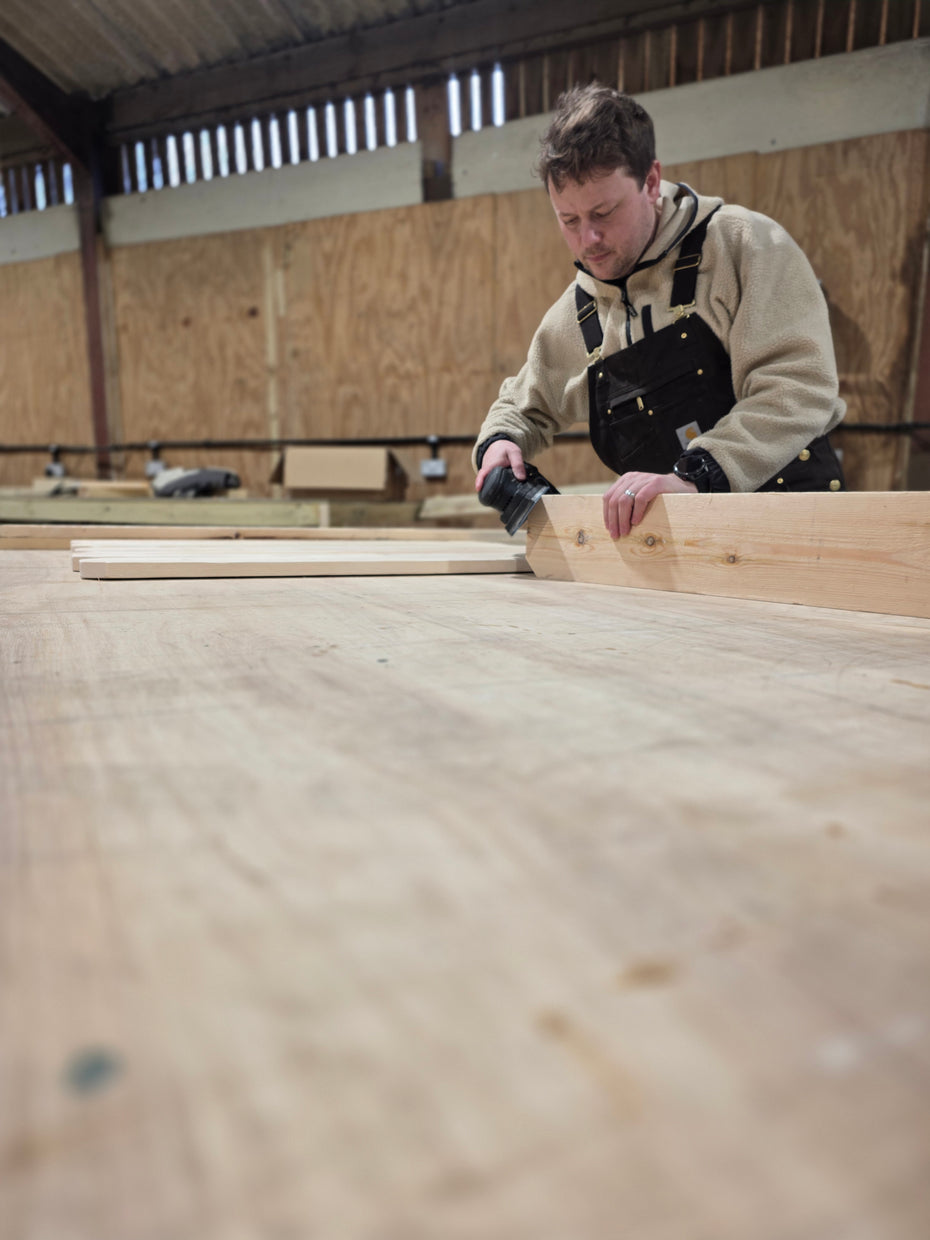
In order to keep everything consistent, I make jigs that allow me to repeat the build process and maintain quality over every build.
I consciously have to limit the number that we do build however, as I would like to keep it special and limited to only a few people each year.
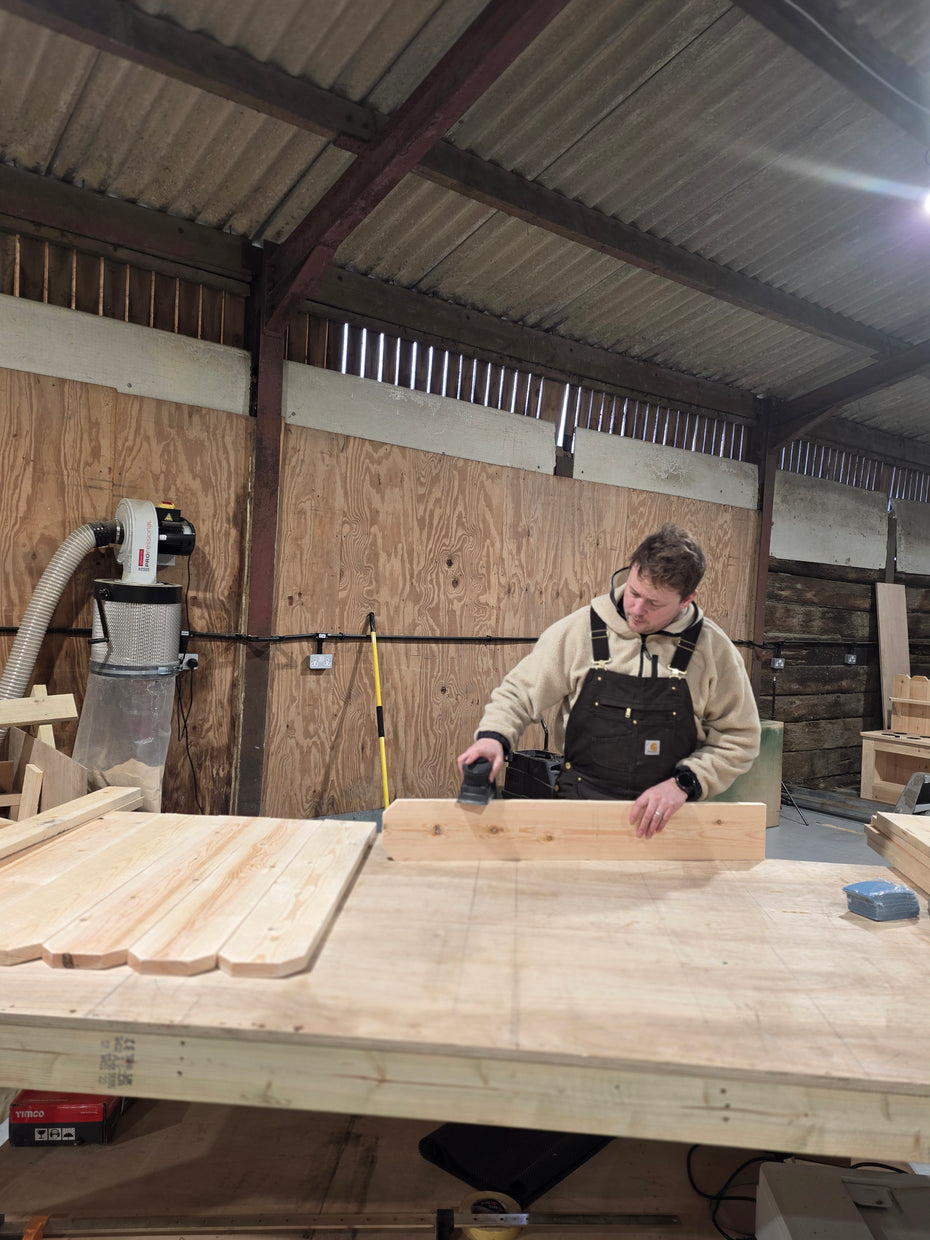
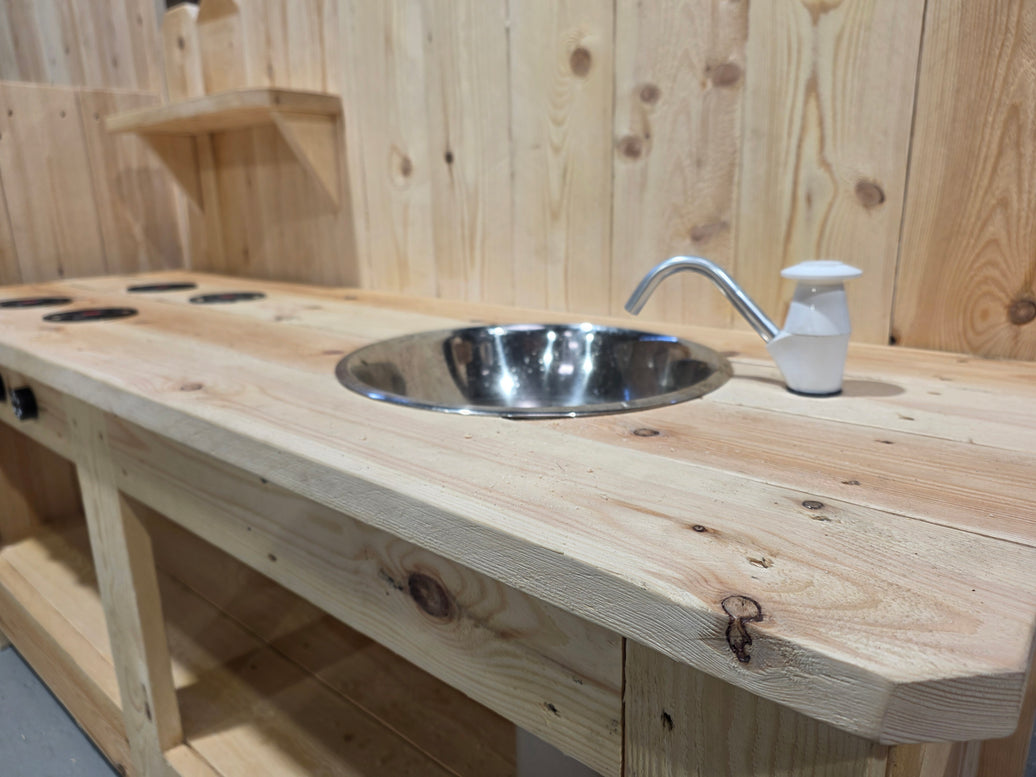
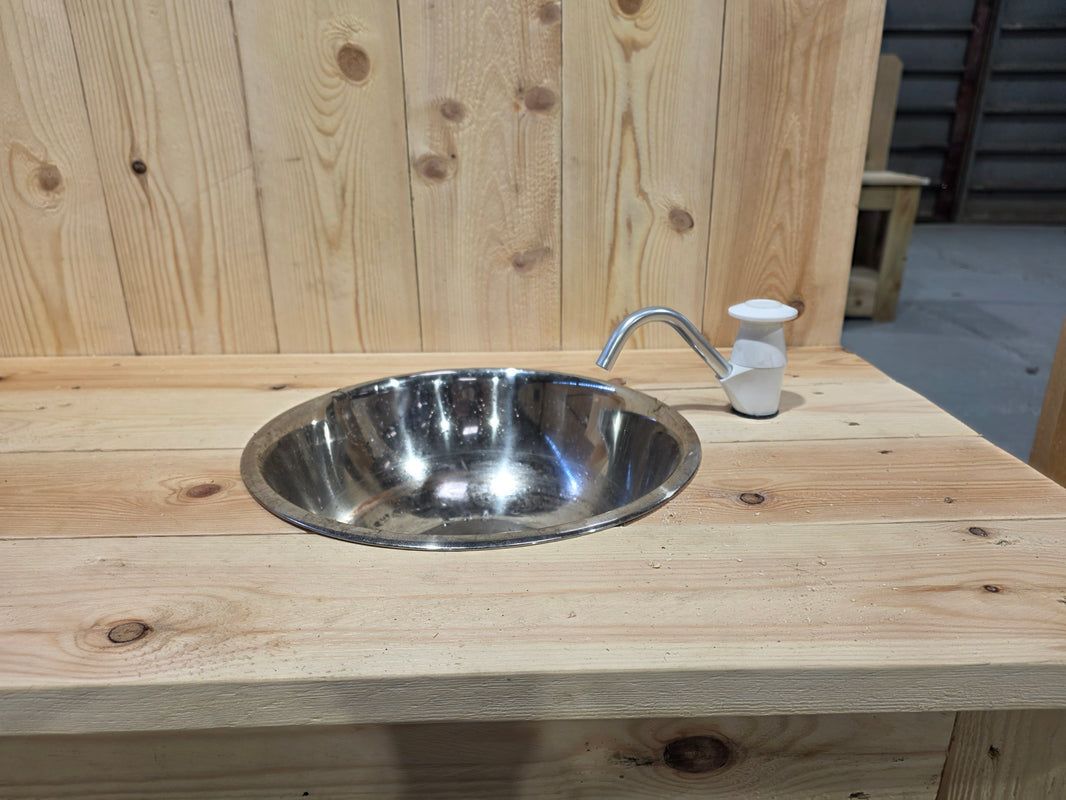
To achieve the best balance of cost-efficiency, durability, and a smooth, splinter-free finish, we believe redwood timber is the most suitable option for our customers.
It is a long-lasting material, requires no additional treatment, and provides a naturally smooth finish that works perfectly for these kitchens.
Once every thing is assembled, we test and package you mud kitchen ready for delivery. Our team will unload and place your mud kitchen in your garden for you.
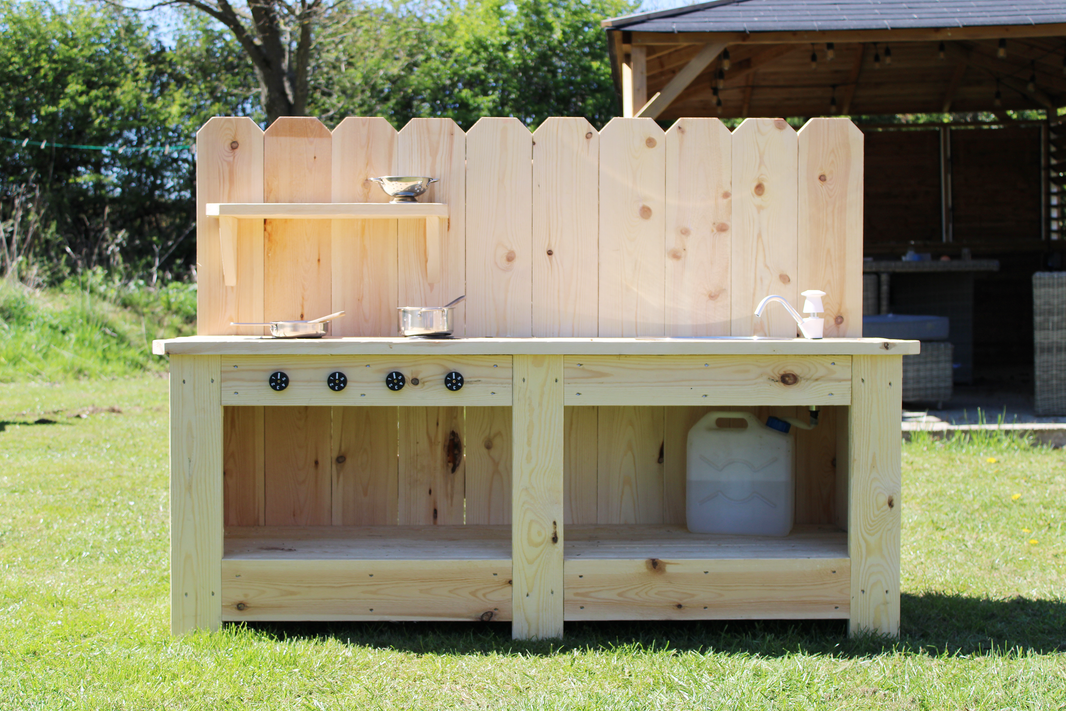
The New Standard (Family Mud Kitchen)
Ready to customise it yourself?
Once your kitchen arrives, it will already be weatherproof however you can apply an oil or wood paint to customise it in your own colours.
Fully built - Not flatpack
All of my kitchens come fully built and ready for you to position in your garden. Please make sure you have some sturdy, level ground to place it on.
Built to last
We use a Scandinavian Redwood because it's naturally rot resistant unlike many other mud kitchens available on the market, which are typically pressure treated timber.
Ours is built to survive and last for years outside.